Definition
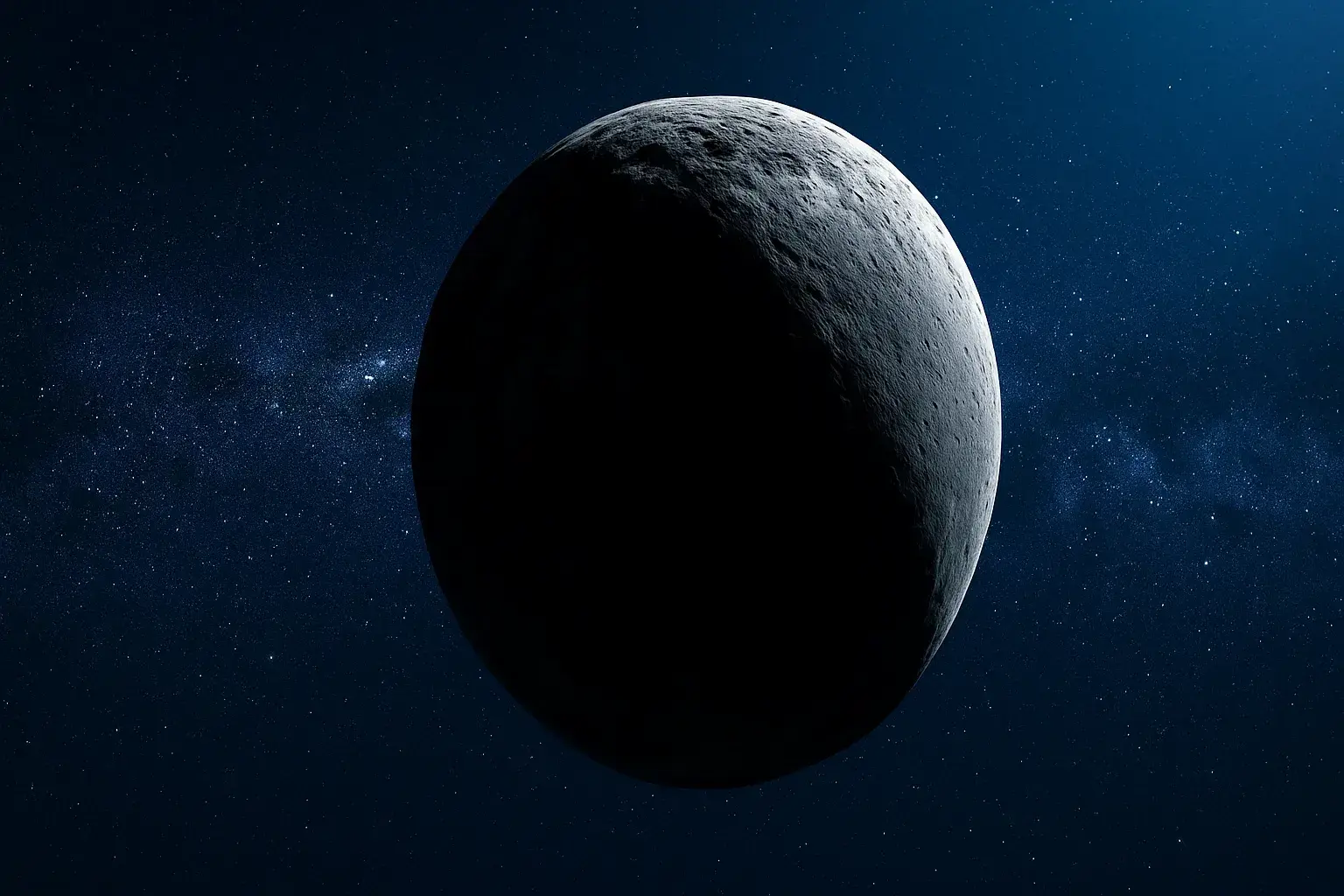
Telluris are rocky dwarf planets located mainly in the inner or middle regions of stellar systems. Represented by objects such as Ceres, they have a dense structure of silicate minerals, metals, and sometimes volatile substances in the form of ice.
Surface and Atmosphere
The surface of Telluris consists of silicate rocks, carbonates, clays, and in some cases salts. Due to their weak gravity and lack of atmospheric retention, they cannot preserve heat or gases. Thus, their surface remains cold, exposed to vacuum, and covered with impact craters accumulated over billions of years.
Subsurface Water and Activity
Although they appear dry, some Telluris may contain underground water reservoirs. Evidence of water ice, saline ice, or cryovolcanic structures suggests residual or past internal activity. Such water may play an important role in chemical processes within the planet.
Role in Planetary Formation
Telluris are important because they represent preserved fragments of the accretion process. Their compositional diversity reflects the complex chemical and thermal conditions during planetary formation. Some of them, in the asteroid belt or farther out, may be remnant cores of unfinished or collision-disrupted protoplanets.
Geological Archive
Due to their weak geological activity and lack of atmosphere, Telluris function as stable archives of the past. Traces of impacts, fractures, and mineral layers remain preserved over long periods, providing key insights into the earliest stages of planetary evolution.